
Hydrotesting
What is Hydrotesting ?
Mandatory Safety Testing to Ensure Cylinder Strength and Compliance
Hydrotesting of CNG cylinders is a mandatory safety procedure to ensure structural integrity, strength and pressure holding capacity of cylinders. Regular hydrotesting helps prevent accidents, ensure compliances as per statutory regulations.
Hydrotesting of cylinders must be carried out by authorized facilities through trained personnel in accordance with guidelines issued by Petroleum and Explosive Safety Organization (PESO) as applicable through Gas Cylinders Rule (GCR) 2016 and applicable standards.
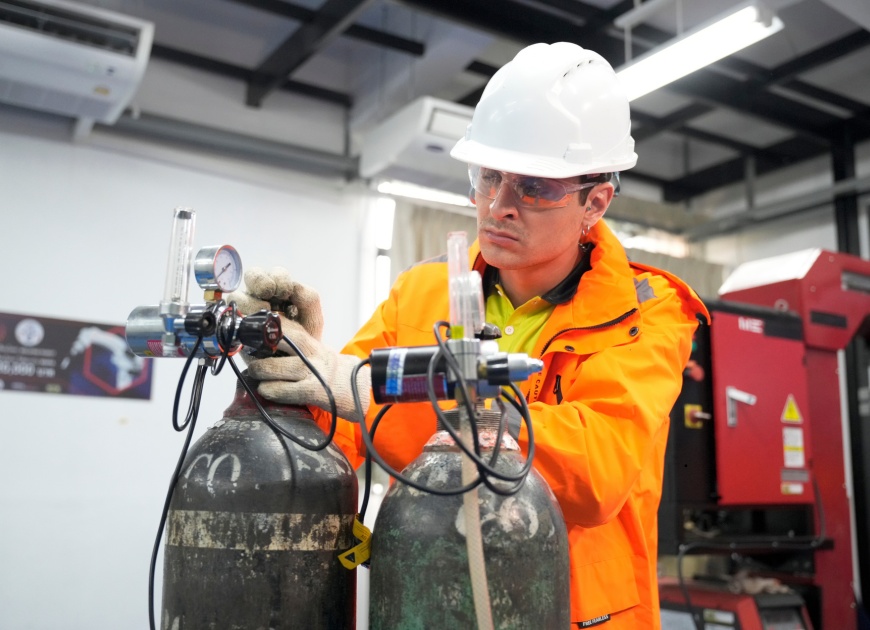
CNG Cylinder Hydrotesting
Compressed Natural Gas (CNG) cylinders operate at very high pressures, typically 200-250 Bar and are commonly used in automotive, transport and industrial industries. Due to the gas being highly flammable, strict inspection and CNG Cylinder Hydrotesting procedures are followed every 3 years.
Process of CNG Cylinder Hydrotesting
Step-by-Step Safety Testing as per PESO Guidelines
Hydrotesting is carried out through a systematic and controlled procedure to ensure the cylinder’s strength, safety and compliance with statutory standards.
1️⃣ Preparation & Inspection
Any remaining gas is safely removed and the valve is taken out. The cylinder is thoroughly checked internally and externally for corrosion, cracks or damage.
2️⃣ Ultrasonic Thickness Testing
Ultrasonic testing is performed to check the cylinder wall thickness and detect any hidden cracks or weaknesses.
3️⃣ Filling with Water
The cylinder is filled completely with water, sealed properly and placed inside the water jacket (test chamber).
4️⃣ Pressurization
A high-pressure pump increases the pressure to the required test level. The cylinder is monitored for leaks, expansion or structural weakness.
5️⃣ Depressurization & Drying
After testing, the pressure is released, water is drained and the cylinder is properly dried to prevent moisture damage.
6️⃣ Certification & Revalidation
If the cylinder passes the test, it is re-valved (if required), stamped with the new test date and certified for safe use.
Applications of CNG Cylinders
Wide Usage Across Transportation and Industrial Sectors
CNG cylinders are widely used across transportation, industrial and commercial sectors for safe storage and supply of compressed natural gas.
CNG Powered Vehicles
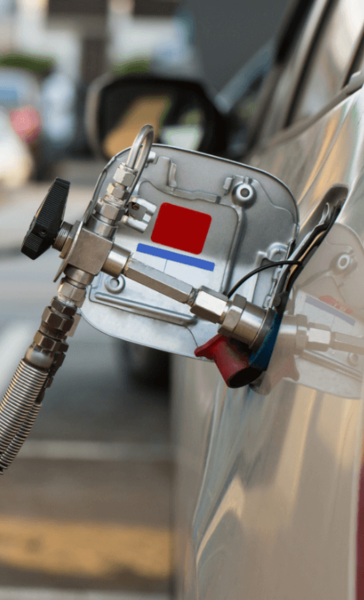
Used in cars, buses and commercial vehicles as a clean and cost-effective fuel source.Fuel Station Storage Banks
Installed in CNG fuel stations for safe storage and dispensing of compressed natural gas.Industrial Manufacturing
Used in manufacturing units where natural gas is required for operational processes.Power Generation
Used in power plants and generator systems for producing energy efficiently.Heating and Cooking
Used in commercial kitchens and industrial heating systems for clean fuel supply.
Get in Touch With Our Team
If you are looking for safe and compliant refilling, hydrotesting or inspection services for fire suppression gas cylinders, our team is here to assist you.
1K-49, NIT 1, Faridabad, 121001
info@parkashgases.com
+91 9899953972
Mon-Sat : 8am-6pm Sunday : Closed